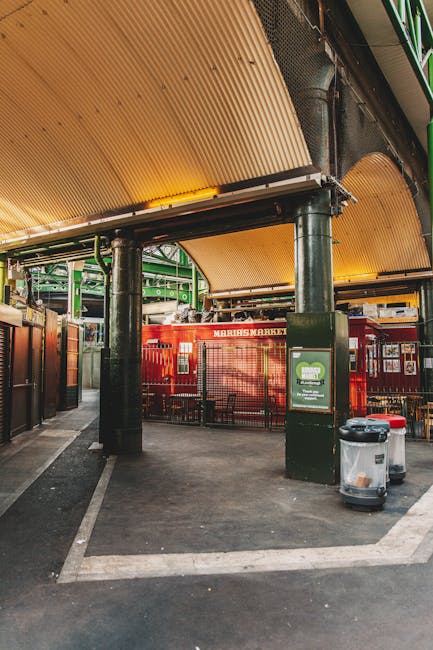
Lower Marsh rubbish collection guide for SE1 flats and shops
If you manage a flat above a shop, run a cafe on Lower Marsh, or simply live in a tight SE1 building with awkward stairwells and little storage, rubbish can become a daily headache. Bags pile up fast, deliveries arrive at the wrong time, and one missed collection can make a small space feel cluttered in a hurry. This Lower Marsh rubbish collection guide for SE1 flats and shops is designed to make the whole process simpler, safer, and a lot less stressful.
In practice, the best rubbish solution depends on access, volume, timing, and the type of waste you need gone. A bit of planning usually saves time and money. It also helps avoid the classic SE1 problems: blocked pavements, bin area overflow, and the last-minute scramble when a landlord, managing agent, or shop manager suddenly wants the place cleared by tomorrow morning. Let's face it, nobody enjoys that.
This guide walks through the options, the common pitfalls, what tends to work best for flats and shops, and how to choose between skip hire, wait-and-load, man and van support, or a more targeted rubbish removal approach. If you want to compare waste services while you read, you may also find the information on skip hire, wait and load skip hire, and rubbish removal useful.
Table of Contents
- Why Lower Marsh rubbish collection for SE1 flats and shops matters
- How rubbish collection in Lower Marsh works
- Key benefits and practical advantages
- Who this is for and when it makes sense
- Step-by-step guidance
- Expert tips for better results
- Common mistakes to avoid
- Tools, resources and recommendations
- Law, compliance, standards and best practice
- Options, methods and comparison table
- Case study or real-world example
- Practical checklist
- Conclusion
- Frequently asked questions
Why Lower Marsh rubbish collection guide for SE1 flats and shops matters
Lower Marsh sits in a busy part of SE1 where space is precious, streets are active, and waste needs to be managed with care. Flats often have narrow access points, shared bins, and limited storage for bulky items. Shops, meanwhile, deal with packaging, stock deliveries, customer waste, old fixtures, and periodic clear-outs. Put those two worlds together and rubbish collection becomes less about "taking the bins out" and more about keeping a property workable.
Why does this matter so much? Because poor waste handling affects more than appearance. Overflowing rubbish can create odours, attract pests, block service areas, and upset neighbours or nearby businesses. In a mixed-use stretch like Lower Marsh, that can quickly become a real problem. A late-night bin pile outside a shop is not just untidy; it can complicate access, create friction with other tenants, and put pressure on staff the next day.
There is also a financial angle. If waste is not separated properly, or if collections are badly timed, you may end up paying more for urgent removal or repeated call-outs. That is especially true for businesses with weekly peaks. One small back room can suddenly become full of cardboard, broken display items, and old packaging by Friday afternoon. It happens all the time.
For flats, the stakes are a little different. Residents want convenience, but they also want the building to stay clean, quiet, and safe. A good rubbish collection plan makes shared living easier, reduces complaints, and keeps management in control. That is the real value here: not just removing waste, but making the whole site easier to run.
How Lower Marsh rubbish collection guide for SE1 flats and shops works
The right rubbish collection method depends on what you are clearing, where it is located, and how quickly it needs to go. In Lower Marsh, access is often the first deciding factor. If a truck cannot safely stop nearby for long, a traditional skip may not be the neatest choice. If waste is being cleared from an upper floor or a shop basement, you may need a method that avoids long storage on the street.
In general, there are four common approaches:
- Skip hire for ongoing or larger clear-outs.
- Wait-and-load for fast collection when space is limited.
- Rubbish removal for mixed loads, furniture, and general bulky waste.
- Specialist services for office, shop, or hazardous items that need separate handling.
For example, a flat renovation might suit a small skip if there is legal access and room to place it. A shop refit on a narrow street may work better with a timed collection where the team loads waste immediately and leaves once finished. If you are dealing with furniture, mixed refuse, or a one-off clear-out, a more flexible option such as man and van or rubbish removal may be more practical.
It also helps to think about what is inside the waste stream. Cardboard, wood, plasterboard, soft furnishings, metal shelving, and appliances all behave differently from a disposal point of view. Waste should be sorted with the end method in mind. A neat load is easier to remove, easier to recycle, and less likely to cause delays. That sounds obvious, but in real life it gets skipped all the time.
If you are not sure what can go together, check the guidance on what can go in a skip before you book. It can save a lot of awkwardness later on.
Key benefits and practical advantages
A well-planned rubbish collection setup brings more than a clean pavement or tidier rear yard. For Lower Marsh flats and shops, the benefits are practical and immediate.
- Less clutter in tight spaces - useful in buildings where hallways, basements, and courtyards are already crowded.
- Better customer and resident experience - people notice when waste is managed well.
- Fewer missed deadlines - especially for shops preparing for a refit, rebrand, or end-of-lease clear-out.
- Improved recycling - separating clean recyclable material is usually easier when the collection plan is clear from the start.
- Reduced safety risks - fewer trip hazards, fewer bags sitting in fire escapes, and less lifting through awkward routes.
There is also a more subtle benefit: smoother relationships. If you run a shop near homes, or live in a flat with shared access, rubbish can become a point of tension very quickly. A tidy collection plan helps avoid that awkward "whose bags are those?" conversation in the lobby. It is a small thing, but small things matter in busy buildings.
For many SE1 properties, speed is another advantage. A same-day or timed collection can be the difference between a chaotic site and a managed one. If you need an urgent solution, it is worth looking at same day skip hire as part of your planning, or comparing it with other removal methods when access is very limited.
Who this is for and when it makes sense
This guide is for anyone in Lower Marsh or the wider SE1 area who needs reliable rubbish collection without wasting time on guesswork. That includes:
- residents in flats above shops
- landlords and letting agents managing shared buildings
- independent retailers and cafe owners
- office managers and small business operators
- contractors doing light refurbishments
- property managers handling end-of-tenancy or end-of-lease waste
It makes sense whenever waste is too much for normal bins, too bulky for easy lifting, or too mixed to leave for standard collection alone. A flat moving out after years of storage is one example. A shop replacing shelving, signage, and packaging after a fit-out is another. Even a seasonal stock refresh can create more waste than expected. You know how it goes - one delivery becomes three, and suddenly there are broken boxes everywhere.
For businesses, this is especially useful when the waste load is irregular. A shop might need nothing for three weeks, then suddenly need a serious clearance after a refit or stockroom tidy-up. In those cases, flexible support is often better than a rigid routine. Services like commercial skip hire or office clearance can be a better fit than trying to force everything into standard bins.
Step-by-step guidance
If you want a sensible way to plan rubbish collection in Lower Marsh, start here.
- Identify the waste type. Separate general rubbish, cardboard, furniture, building waste, electrical items, and anything potentially hazardous.
- Estimate volume. A few black bags is very different from a room full of shelving, packaging, and broken fixtures.
- Check access. Look at door widths, staircases, loading space, parking, and whether the waste can be moved safely to the vehicle.
- Choose the right collection method. Decide whether a skip, wait-and-load, or direct removal service is the better fit.
- Review any permit or placement needs. If you plan to place a container on public land, make sure you understand the permit side first.
- Prepare waste properly. Keep materials separate where possible and remove anything that should not be mixed in.
- Book the collection. Pick a time that reduces disruption to residents, staff, customers, or deliveries.
- Confirm final handover. Make sure the access route is clear and someone responsible is available if needed.
A good rule of thumb: if waste is sitting in a hallway, loading bay, or store room longer than it needs to, you are probably overcomplicating the process. A cleaner, quicker collection often works better than trying to stockpile everything until "later".
If your project includes renovation debris, have a look at builders waste removal or builders skip hire for more relevant options. If you need a clear distinction between flat waste and construction waste, that split matters a lot more than most people realise.
Expert tips for better results
Here are the practical habits that tend to make the biggest difference.
- Sort first, book second. Mixed loads are usually slower and messier to handle. A rough sort can save a surprising amount of time.
- Think about the route, not just the room. A waste pile in a top-floor flat is not the same as a pile by a ground-floor rear entrance.
- Use the quietest access window you have. Early mornings, mid-afternoons, or times outside customer peaks are often best.
- Keep fragile or confidential items separate. Paper files, branded materials, or sensitive documents should not just be tossed into general waste.
- Plan for awkward items. Mattresses, fridges, and sofas often need specific handling.
One thing people often miss is how much damage can be avoided with basic protection. Cardboard under heavy items, corner guards in narrow hallways, and a clear route to the exit can stop scuffs and complaints. It sounds a bit fussy, but honestly, a scuffed stairwell is usually more hassle than setting it up properly in the first place.
If you are dealing with larger domestic items or periodic clear-outs, services like mattress and sofa disposal and fridge and appliance removal can be far more practical than trying to improvise.
Common mistakes to avoid
Most waste problems in busy SE1 buildings come from a handful of avoidable mistakes. Not all of them are dramatic. Some are just quietly expensive.
- Booking the wrong method for the space. A skip is not always the best answer if access is tight or roadside placement is difficult.
- Underestimating waste volume. One storage cupboard can hold a lot more rubbish than you expect.
- Mixing restricted items with general waste. This can create delays or extra charges.
- Leaving collections to the last minute. That is when stress, disruption, and rush pricing tend to creep in.
- Ignoring building rules. Shared blocks often have their own procedures for loading bays, lifts, or shared bins.
- Forgetting the neighbours. Noise, odour, and blocked pathways can turn a simple clearance into a complaint.
And yes, people do sometimes forget that a collection vehicle needs room to work. It seems obvious once you see it, but in the middle of a busy day it can be surprisingly easy to miss.
If you are not sure about access or timing, it is often smarter to compare wait and load skip hire with a more traditional setup. In awkward central London streets, that quick comparison can save a lot of hassle.
Tools, resources and recommendations
You do not need a huge toolkit to manage rubbish well, but a few simple tools and reference points help a lot.
- Waste segregation bins or sacks for separating cardboard, general rubbish, and recyclables.
- Basic measuring tape to check furniture, access points, and container space.
- Inventory notes for shop stockrooms, clear-outs, or tenant turnover.
- Simple photo records of the waste pile before collection, especially useful for management or lease checks.
- A reliable disposal partner who can explain what happens to the waste after pickup.
For a clearer picture of disposal options, it can help to review skip sizes and prices before choosing. That way you are comparing capacity, not just the headline service name.
Where the waste is mostly recyclable, ask about waste recycling services. And if the job involves sensitive paperwork, packaging with customer data, or old files from an office or back room, confidential shredding is worth considering rather than guessing your way through it.
There is also a sensible case for checking the provider's wider standards. Pages such as insurance and safety, health and safety policy, and recycling and sustainability can tell you a lot about how seriously waste handling is taken. That kind of detail matters more than people think.
Law, compliance, standards, or best practice
Waste handling in the UK comes with legal and practical responsibilities, especially for businesses and anyone arranging collections on behalf of a property. You do not need to become a legal specialist, but you do need a basic working standard: waste should be stored safely, passed to a legitimate collector, and handled in a way that does not create risk to people or property.
For shops, landlords, and managing agents, it is wise to keep records of what was collected, when it was removed, and who handled it. That is simply good housekeeping. If you are dealing with anything that may be classed as hazardous, do not blend it into general waste just because it is easier. Hazardous items need specific care and a sensible plan. A cautious approach is the right approach here.
Businesses also need to think about duty of care in a practical sense: know what is being thrown away, keep separate waste streams where useful, and avoid leaving bags or bulky items in places where staff, residents, or the public could trip over them. In mixed-use buildings, that means taking bin stores, fire exits, and shared walkways seriously. There is no glamorous version of that advice. It is just the bit that keeps everything running.
Best practice usually means choosing the right collection method, using appropriate containment, and booking collections at sensible times. If your waste includes restricted materials, ask for the proper route rather than hoping it will "probably be fine". That is how projects get delayed.
Options, methods, or comparison table
Different properties in Lower Marsh need different solutions. Here is a simple comparison to help you choose.
| Method | Best for | Strengths | Limitations |
|---|---|---|---|
| Skip hire | Longer jobs, refurbishments, recurring waste | Convenient for larger volumes, flexible for mixed loads | Needs suitable placement and may require permission |
| Wait and load | Tight streets, fast clearances, no storage space | Quick, tidy, useful where a skip would be awkward | Usually better for shorter loading windows |
| Rubbish removal | Bulky items, one-off clear-outs, mixed household or shop waste | Low fuss, direct collection, suitable for awkward access | May be less suited to very large ongoing projects |
| Grab lorry hire | Heavier loads, clear sites, loose waste piles | Fast removal, strong for volume and heavy material | Needs access and enough room for vehicle operation |
For many Lower Marsh properties, the choice comes down to access more than anything else. If you have space and time, a skip can work beautifully. If not, timed collection or direct removal is often the calmer option. That is usually the honest answer, even if it is not the most dramatic one.
Case study or real-world example
Imagine a small shop in Lower Marsh closing for a refurb over a long weekend. The team needs to clear old shelving, packaging, display fixtures, and a pile of broken stockroom items. The rear access is narrow, the front is busy, and there is no spare room to leave waste outside overnight. A standard skip would create more problems than it solves.
Instead, the manager books a timed removal. The waste is sorted into recyclable cardboard, general waste, and a separate pile for bulky fixtures. Staff flatten boxes the day before, the route from stockroom to the vehicle is cleared, and the collection happens early in the morning before footfall picks up. The job takes less time than expected, there is minimal disruption, and the shop opens back up feeling clean rather than chaotic.
A similar approach works for flats too. Picture a two-bedroom flat above a cafe, where tenants are moving out and the lift is small. There are bags, a broken wardrobe, an old mattress, and a few bits of kitchen waste. Rather than leaving items to build up in the hallway, the residents book a removal that fits the access constraints. A little planning avoids the awkward lift queue and the "who left this here?" moment. Simple, but effective.
Practical checklist
Use this checklist before you book collection.
- Have you identified the waste type correctly?
- Do you know roughly how much needs to go?
- Is the access route safe, clear, and wide enough?
- Will the collection affect residents, customers, or deliveries?
- Do any items need separate handling?
- Is there space for waste to be stored briefly without causing a nuisance?
- Do you need a permit or alternative placement plan?
- Have you checked whether recycling can be improved by sorting first?
- Is someone available to confirm access on the day?
- Have you chosen the method that suits the site, not just the cheapest-looking one?
Expert summary: In Lower Marsh, good rubbish collection is usually less about brute force and more about timing, access, and the right method for the building. If you get those three things right, the rest tends to fall into place.
Conclusion
Rubbish collection in Lower Marsh does not need to be complicated, but it does need to be thought through. Flats and shops in SE1 face the same basic challenge: limited space, busy surroundings, and very little patience for waste that gets in the way. The best results come from matching the collection method to the site, keeping materials organised, and booking with enough care to avoid last-minute disruption.
Whether you are managing a one-off clear-out, a business refurb, or the regular waste flow from a shared building, the right plan will save time and reduce stress. You will notice the difference immediately - fewer bags hanging around, fewer complaints, and a much calmer site. That is a good feeling, honestly.
If you are ready to turn a messy problem into a simple plan, compare your options, check access carefully, and choose the collection method that fits the reality of Lower Marsh rather than the ideal version in your head. Small smart decisions make all the difference.
Get a free quote today and see how much you can save.
And if today feels a bit too full already, start with one clear decision. The rest usually follows.
Frequently Asked Questions
What is the best rubbish collection method for Lower Marsh flats?
It depends on access and volume. For smaller loads or tight access, wait-and-load or direct rubbish removal is often easier than placing a skip. For larger clear-outs, skip hire can work well if there is enough room and the placement is suitable.
Can shops in Lower Marsh use skip hire for packaging waste?
Yes, but it is worth checking how much space you have and whether the waste is mostly cardboard, mixed retail waste, or bulkier items. Commercial skip hire can be a practical choice for shops, especially during refits or stockroom clear-outs.
Is wait and load better than a skip in SE1?
Often, yes, when space is limited. Wait and load avoids leaving a container on-site, which can be a major advantage in busy streets and shared access buildings. It is especially useful when you need fast removal and have nowhere to store waste.
Do I need permission to place a skip near Lower Marsh?
If a skip is placed on public land, permission may be needed. The exact arrangement depends on location and placement. It is sensible to check this before booking so you do not end up with a delay on the day.
What kind of waste should not go into general rubbish collection?
Hazardous waste, certain electrical items, and some bulky or restricted materials should be handled separately. If in doubt, ask before mixing items together. It is much easier to sort things out early than to fix a mixed load later.
Can I get same-day rubbish collection in Lower Marsh?
Sometimes, yes. Same-day options can be useful for urgent clearances, particularly when waste is blocking access or needs to be removed before a delivery, inspection, or handover. Availability can vary, so it is best to ask as early as possible.
What is the cheapest rubbish removal option?
The cheapest option is not always the one with the lowest headline price. If access is difficult or the waste is mixed, a method that looks cheap at first can become expensive in practice. The best value is usually the option that fits the site properly.
How do I keep rubbish collection discreet for a shop or flat?
Choose a timed collection, keep the access route clear, and avoid leaving waste outside for long periods. If security matters, consider enclosed or lockable options and plan removal during quieter hours.
Can furniture and appliances be collected with general waste?
Often they can be removed, but they may need specific handling depending on the item. Sofas, mattresses, fridges, and other appliances are commonly handled as separate disposal jobs, which can make the process cleaner and more efficient.
What should I do with confidential paperwork from a shop or office?
Use a dedicated confidential shredding service rather than putting documents into general rubbish. That helps protect privacy and avoids the risk of sensitive information being mixed in with ordinary waste.
How early should I book rubbish collection in Lower Marsh?
As early as you can, especially if access is tight or the job needs to be done at a specific time. For bigger clear-outs or shop refits, booking ahead usually gives you more choice and a smoother day.
What if I am not sure how much waste I have?
Take a quick walk-through and make a rough list of what needs to go. If possible, separate bags, furniture, cardboard, and bulky items into groups. Even a simple count or photo-based estimate helps you choose the right service without overcommitting.
Are recycling and sustainability worth considering for small SE1 jobs?
Yes. Even a small clear-out can contain recyclable material such as cardboard, metal, or clean wood. Choosing a provider with strong recycling and sustainability practices helps reduce waste and can make the job feel a bit more responsible, which is no bad thing.