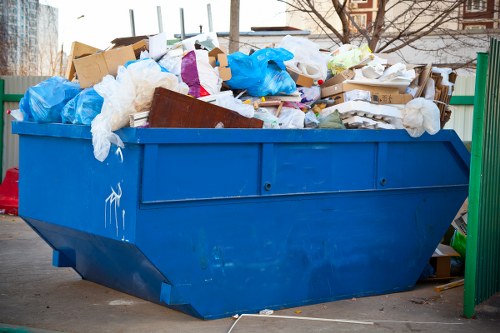
 Health & Safety Policy — Skip Hire Waterloo
Skip Hire Waterloo is committed to protecting the health, safety and welfare of everyone who works for, or with, our skip hire and rubbish removal operations. This policy sets out the principles and responsibilities that govern our waste management and skip hire services, with a focus on preventing harm, controlling risks, and ensuring safe working practices across all service areas. The purpose of this document is to provide a clear framework for compliance with applicable health and safety duties and to support a positive safety culture that applies to both permanent staff and contracted teams.
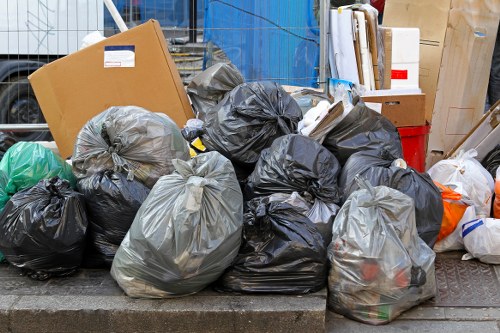 Scope: This policy applies to all activities related to skip hire services, rubbish collection, site delivery and collection of containers, waste transfer and disposal support, and any ancillary operations performed on behalf of the company. It covers employees, subcontractors, visitors, and third parties who may be affected by our waste handling and bin hire activities. The policy is intended for operational, supervisory and managerial levels and is not a service guide or promotional material.
Policy Commitments and Objectives
 We will proactively manage health and safety risks associated with skip hire and rubbish removal by implementing a programme of risk assessment, control measures and monitoring. Our objectives include: maintaining a safe working environment; preventing injury and occupational ill health; ensuring safe use and loading of skips; managing vehicle and traffic risks during deliveries and collections; and ensuring that hazardous wastes are identified and controlled in accordance with regulatory requirements. Safety is integral to the provision of reliable and responsible waste services.
To achieve these objectives we will:
- Conduct routine risk assessments for all operational tasks and review them at regular intervals or when methods change.
- Provide appropriate personal protective equipment (PPE) and ensure its correct use, maintenance and replacement.
- Deliver training and supervision to confirm competence in skip loading, manual handling, waste segregation and use of workplace equipment.
- Maintain plant, vehicles and lifting equipment to safe standards through scheduled inspections and records.
Roles, Responsibilities and Safe Systems
Senior management is accountable for ensuring adequate resources are available to implement this health and safety policy, for setting clear expectations and for regular review of safety performance. Managers and supervisors are responsible for implementing safe systems of work, enforcing controls, and ensuring team members understand safe operating procedures for all rubbish collection and skip hire tasks.
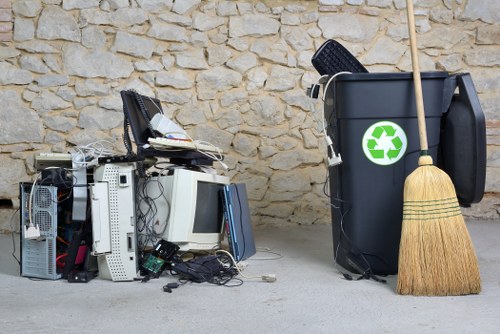 Employees and contracted operatives must follow written safe working procedures, report hazards or near misses promptly, wear required PPE, and participate in training and toolbox talks. Specific responsibilities include correct loading of skips to avoid overloading, segregation of recyclable and hazardous materials where appropriate, and use of safe manual handling techniques. All personnel must cooperate with incident investigations and corrective actions to prevent recurrence.
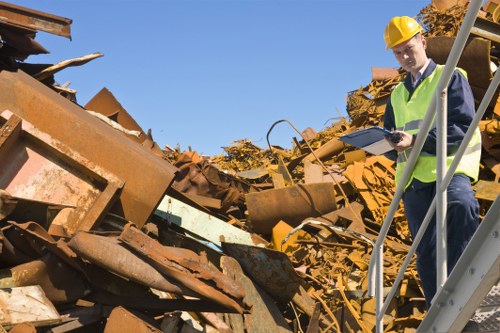 Emergency procedures are established for incidents such as spills, fires, vehicle accidents, or exposure to hazardous substances encountered during waste collection or skip handling. These include immediate containment where safe to do so, notification to the appropriate emergency services, isolation of the area, and a formal incident report. The company will maintain first aid provision and ensure nominated first aiders are available during operations.
Hazardous and Controlled Wastes: We will apply a precautionary approach to materials that may present chemical, biological or radiological risks. The identification and segregation of hazardous items (e.g., asbestos suspect materials, chemicals, batteries, pressurised cylinders) is mandatory and such items must not be accepted into general skips unless authorised under specific procedures. Disposal and transfer of hazardous waste will follow regulatory requirements and appropriate documentation.
Monitoring, audit and continual improvement: Health and safety performance will be monitored through inspections, audits and review of incident trends. Corrective actions will be tracked to completion and lessons learned will be shared across the organisation. We will set measurable targets for accident reduction, training completion and equipment maintenance, and review policy effectiveness annually or after significant events.
Contractors and subcontractors engaged to support skip hire operations must demonstrate competence and alignment with this policy before work begins. They must provide evidence of their own safety arrangements, risk assessments and training records. The company will only work with partners whose safety standards meet or exceed our expectations.
Reporting and Record Keeping
All incidents, injuries, near misses and dangerous occurrences must be reported immediately through the prescribed channels. Records of risk assessments, training, vehicle checks and equipment maintenance will be retained in accordance with statutory requirements and company retention schedules to demonstrate compliance and aid continuous improvement.Communication and Training
We will ensure that health and safety information is communicated effectively to all staff through induction, on-the-job training, and regular safety briefings. Training will cover manual handling, vehicle safety, working at height where applicable, PPE usage, and waste segregation. Competence will be periodically reassessed and refresher training provided as needed.Policy Review: This health and safety policy will be reviewed at least annually and updated when there are changes to legislation, operational practices, or following significant incidents. The company remains legally and morally committed to maintaining a safe environment across all skip hire and rubbish removal services and will take decisive action to protect people and the environment.